
-
Email:zhao@hyliec.cn
-
Tel:+86 311 85273988
-
WhatsAPP:8613931128750
Choosing the Right 8ft Fence Posts for a Durable Property Perimeter
Choosing the Right 8ft Fence Posts for Your Property
Selecting the appropriate 8ft fence posts is crucial for a durable and aesthetically pleasing fence. The height, material, and treatment of these posts directly impact the longevity and stability of your entire fencing project. This article will guide you through everything you need to know about 8ft fence posts, covering types, installation, and maintenance. Investing in quality posts ensures a secure perimeter for your property for years to come. We'll explore the factors influencing your decision and help you choose the best option for your needs.
Understanding the Different Types of 8ft Fence Posts
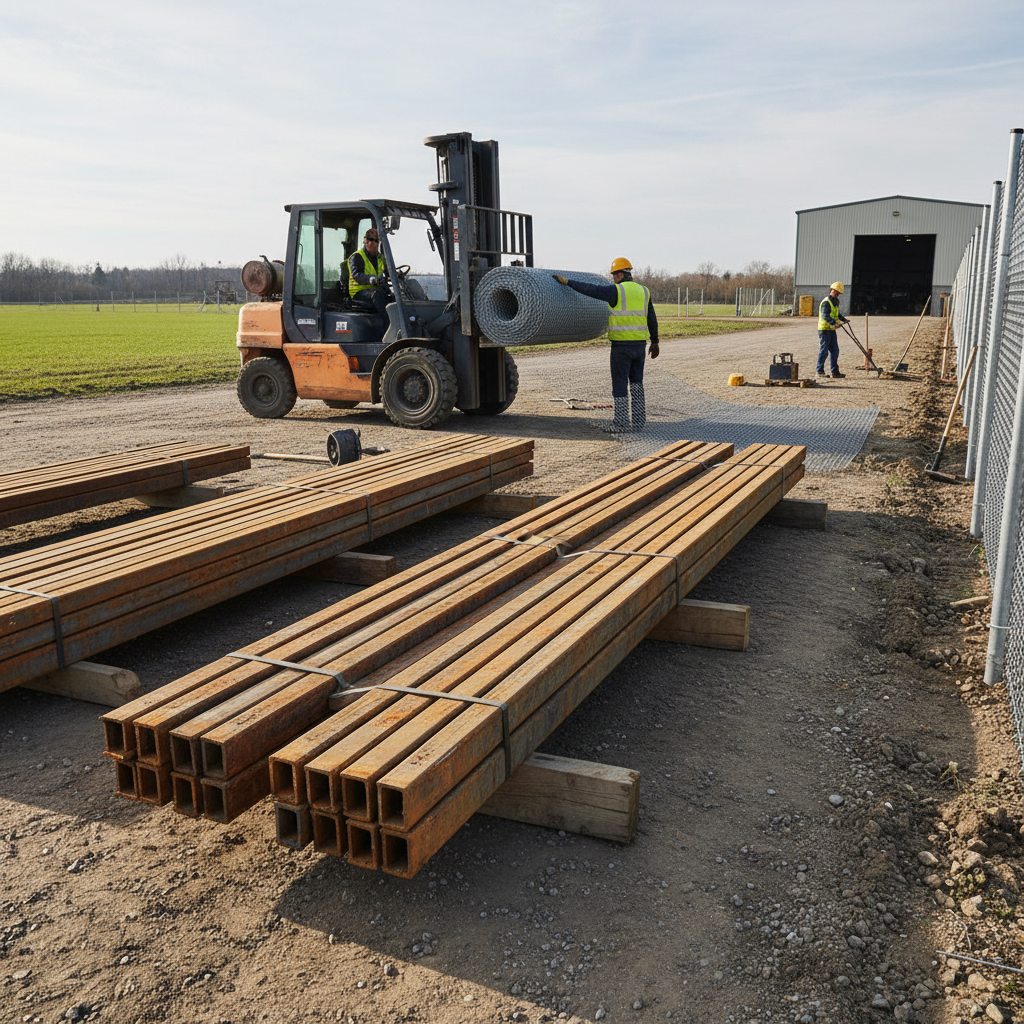
8ft fence posts come in various materials, each offering unique benefits. Pressure-treated pine is a popular, cost-effective option, resistant to rot and insect damage. Cedar is naturally decay-resistant and offers a beautiful aesthetic, but is typically more expensive. Vinyl posts are low-maintenance and won't rot, but can be less sturdy than wood or metal. Finally, metal posts, like steel, provide exceptional strength and durability, often used for high-security applications. The best choice depends on your budget, desired appearance, and the level of security required. Consider the long-term cost of maintenance when making your decision.
Key Considerations: Choosing the right material is paramount to ensuring the longevity and structural integrity of your fence. Consider the climate, soil conditions, and your aesthetic preferences.
Wood vs. Vinyl: A Detailed Comparison
When deciding between wood and vinyl 8ft fence posts, several factors come into play. Wood, particularly pressure-treated pine, is generally more affordable upfront. However, it requires regular staining or sealing to prevent rot and insect damage. Vinyl, on the other hand, is more expensive initially but requires minimal maintenance. It won't rot, warp, or splinter, making it a convenient choice. However, vinyl is less structurally strong than wood or metal, and can become brittle in extremely cold temperatures. The aesthetic preference also plays a significant role – wood offers a natural, traditional look, while vinyl provides a clean, modern appearance.
Wood vs. Vinyl Benefits:
• Wood: Cost-effective, natural appearance, strong.
• Vinyl: Low maintenance, durable, won't rot or warp.
• Considerations: Climate, maintenance preferences, budget.
Key Considerations When Choosing 8ft Fence Posts
Beyond material, several other factors influence the selection of 8ft fence posts. Post diameter is critical; thicker posts provide greater stability. Ground conditions matter – sandy soil requires deeper post setting and potentially wider posts. Local building codes may dictate specific post requirements. Finally, the height and style of your fence will influence the necessary post strength and number. A taller or heavier fence requires stronger posts and closer spacing.
Proper Installation of 8ft Fence Posts: A Step-by-Step Guide
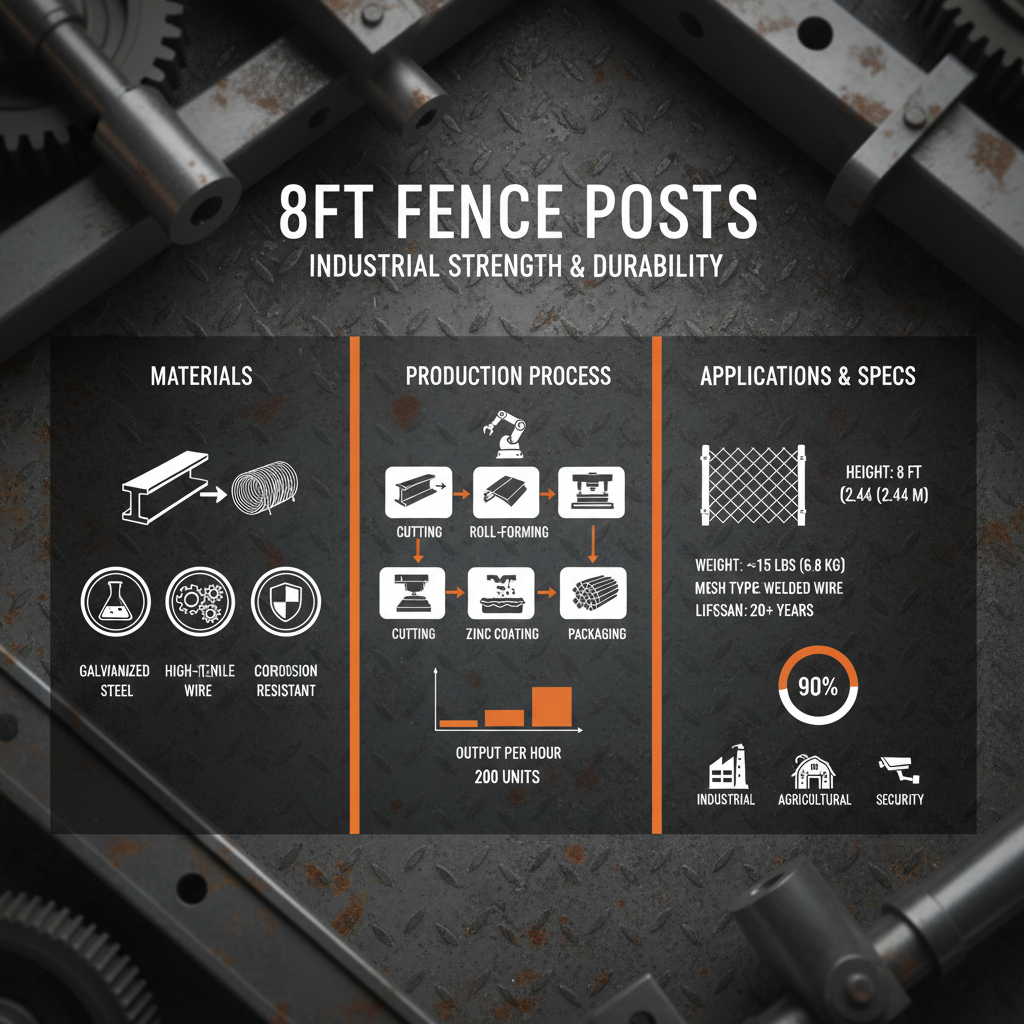
Correct installation is just as important as choosing the right posts. Dig holes that are at least 1/3 the length of the post, and use concrete to secure them in place. Ensure posts are plumb (perfectly vertical) using a level. Allow the concrete to fully cure before attaching fence panels. Proper drainage around the posts is also essential to prevent rot. Consult a professional if you're unsure about any aspect of the installation process.
Maintaining Your 8ft Fence Posts for Longevity
Regular maintenance extends the life of your fence. Inspect posts annually for signs of rot, insect damage, or leaning. Re-stain or seal wood posts as needed. Keep the area around the posts clear of vegetation to improve airflow and prevent moisture buildup. Promptly address any issues to avoid costly repairs or replacements. Contact Hyliecfence.com for high-quality 8ft fence posts and expert advice.
Conclusion: Investing in Quality 8ft Fence Posts
Choosing the right 8ft fence posts is a significant investment in your property's security and aesthetic appeal. By carefully considering material, installation, and maintenance, you can ensure a durable and beautiful fence for years to come. Don't compromise on quality – choose Hyliecfence.com for reliable posts and expert support.
Frequently Asked Questions (FAQs)
How deep should I bury an 8ft fence post?
Generally, you should bury at least 24-36 inches for an 8ft fence post. This depth provides sufficient stability, especially in areas with frost heave. The exact depth will depend on your soil type and local building codes. In sandy soil, you may need to dig deeper to ensure the post is securely anchored. Using concrete around the post is crucial for additional support, regardless of the soil type.
What is the best way to protect wood fence posts from rot?
Pressure-treating the wood is the primary defense against rot. However, even treated wood benefits from regular maintenance. Applying a water-repellent sealant or stain every 1-3 years will provide an additional layer of protection. Ensure good drainage around the posts to prevent moisture buildup. Avoid direct contact between wood and soil; a gravel base can help. Inspect posts annually for signs of rot and address any issues promptly.
Can I install 8ft fence posts myself?
Yes, many homeowners can install 8ft fence posts themselves, but it requires physical strength, proper tools, and attention to detail. If you are not comfortable with digging post holes, setting posts plumb, and working with concrete, it's best to hire a professional. Improper installation can lead to an unstable and unsafe fence. Ensure you understand local building codes before starting any DIY project.
How far apart should 8ft fence posts be spaced?
The typical spacing for 8ft fence posts is 8-10 feet apart. However, this can vary depending on the type of fence, the wind conditions in your area, and the thickness of the fence panels. Consult the manufacturer's instructions for your specific fence panels to determine the recommended post spacing. Closer spacing provides greater stability, especially in windy areas.
-
Professional Guide to fix leaning fence post and Stabilize Fences
NewsApr.16,2026
-
Professional Guide for Effective Leaning Fence Post Repair
NewsApr.09,2026
-
Comprehensive Guide to Effectively Fix Fence Post and Ensure Stability
NewsApr.07,2026
-
Comprehensive Guide to Effective and Lasting Fence Post Repair Solutions
NewsApr.04,2026
-
A Comprehensive Guide to Successfully Installing Fence Posts for Longevity
NewsMar.31,2026
-
Comprehensive Guide to Effective and Lasting Repairing Fence Post Solutions
NewsMar.28,2026