
-
Email:zhao@hyliec.cn
-
Tel:+86 311 85273988
-
WhatsAPP:8613931128750
Understanding Fence Post Prices A Comprehensive Guide to Costs and Materials
Fence Post Prices: A Comprehensive Guide
Understanding fence post prices is crucial for any fencing project, large or small. Costs can vary significantly based on material, length, quantity, and location. This article breaks down the factors influencing price, common materials, and how to get the best value for your money. Whether you're building a rural pasture fence or a decorative garden border, knowing the current market rates will help you budget effectively. Let's explore the world of fence posts and navigate the pricing landscape.
Factors Influencing Fence Post Prices
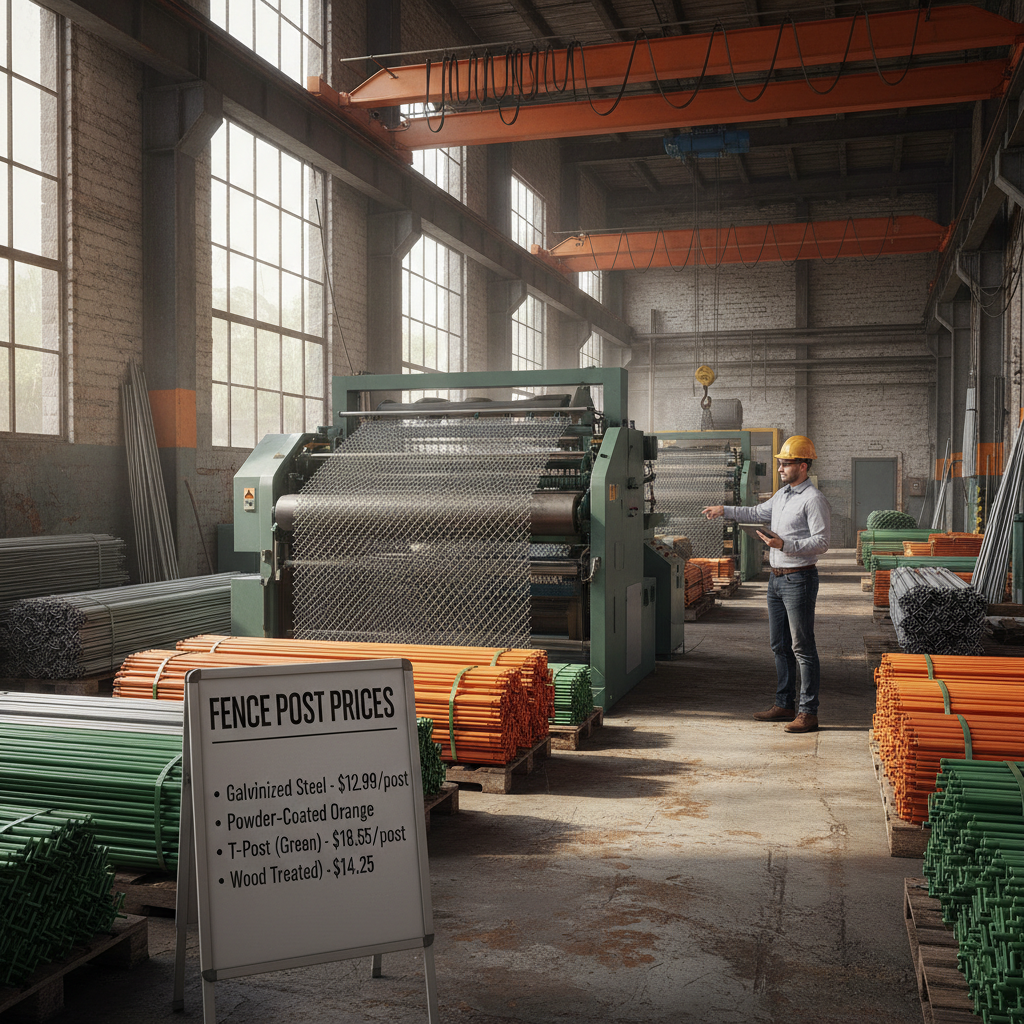
Several factors contribute to the final price of a fence post. The primary driver is the material, with wood, metal, and vinyl each having distinct cost structures. Post length is another significant factor; longer posts naturally cost more. Quantity purchased also plays a role; bulk orders often qualify for discounts. Location affects prices due to transportation costs and regional demand. Finally, post treatment, such as pressure treating for wood, adds to the cost but significantly extends the post's lifespan.
Key Highlights: Material, length, quantity, location, and treatment all impact fence post prices. Considering these factors will help you obtain accurate quotes and plan your budget.
Common Fence Post Materials and Their Prices
Let's examine the most common fence post materials and their approximate price ranges (as of late 2023/early 2024). These prices are estimates and can fluctuate. It's always best to get quotes from local suppliers for the most up-to-date pricing. We will discuss Wood, Steel, Vinyl and Composite.
Fence Post Price Comparison: Visual Representation
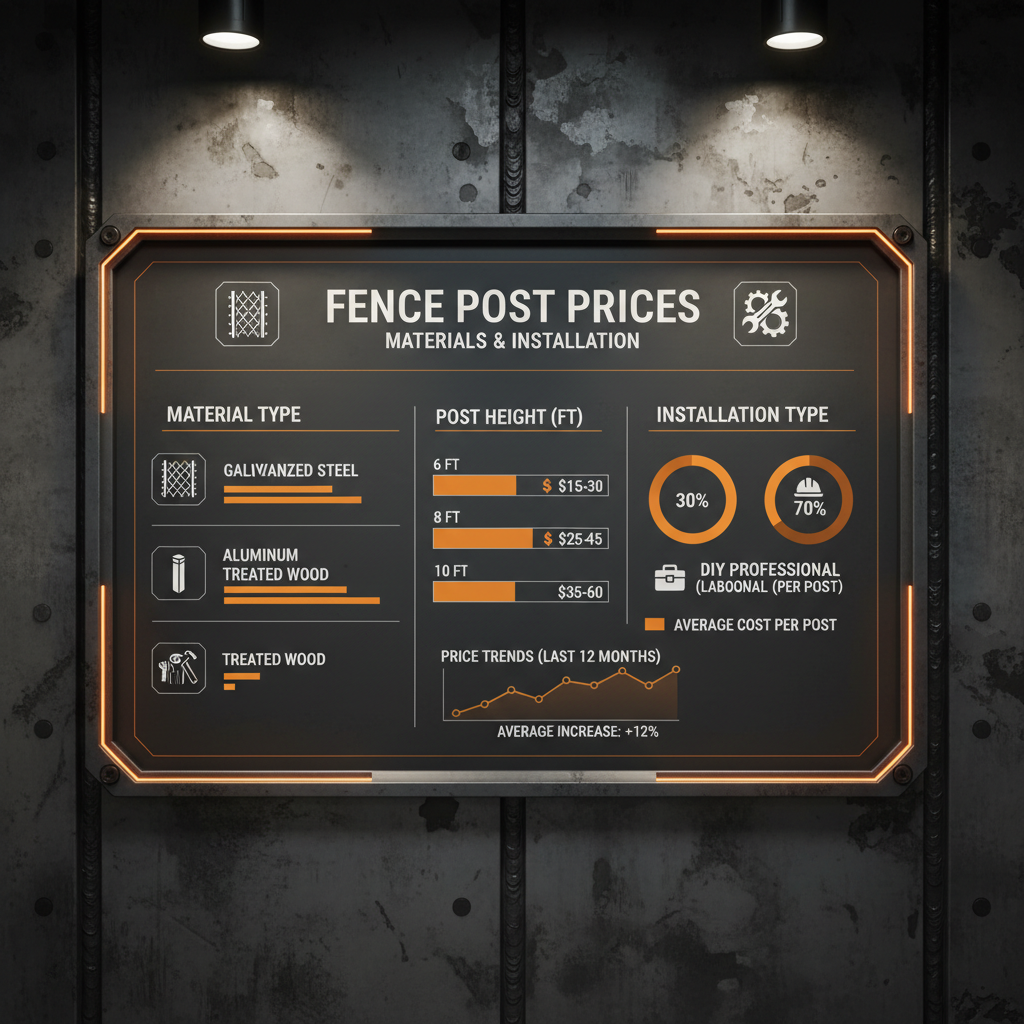
The following chart provides a visual comparison of the average price per foot for different fence post materials. Keep in mind that these are averages and actual prices may vary.
Getting the Best Price on Fence Posts
To secure the best possible fence post prices, consider these tips: Shop around – Get quotes from multiple suppliers. Buy in bulk – Larger orders usually qualify for discounts. Consider alternative materials – Explore options that fit your budget and needs. Look for seasonal sales – Many suppliers offer discounts during slower seasons. And finally, Don't forget delivery costs – Factor shipping into your overall price comparison.
Conclusion: Making an Informed Decision
Choosing the right fence posts at the right price requires careful consideration of your needs, budget, and the factors outlined in this guide. Hyliec Fence offers a wide selection of high-quality fence posts at competitive prices. Don't compromise on quality – invest in durable posts that will provide years of reliable service.
Frequently Asked Questions (FAQs)
What is the recommended post spacing for a typical fence?
The ideal post spacing depends on the type of fence, the terrain, and the length of the fence posts. For most standard fences, a spacing of 8 to 10 feet is recommended. However, on uneven ground or in areas with strong winds, you may need to reduce the spacing to 6 to 8 feet for added stability. Longer post spans can lead to sagging or failure, so it's crucial to adhere to recommended guidelines or consult with a fencing professional.
How deep should fence posts be buried?
A general rule of thumb is to bury fence posts at least one-third of their total length. For a 6-foot post, this means burying it at least 2 feet deep. In areas with frost heave, you may need to bury the posts deeper, up to 3 feet or more, to prevent them from being pushed out of the ground during freezing and thawing cycles. Proper depth ensures stability and prevents the fence from leaning or collapsing.
Are there any hidden costs associated with fence post installation?
Yes, several hidden costs can add to the overall expense of fence post installation. These include the cost of concrete for setting the posts, gravel for drainage, any necessary excavation work, and the cost of tools or equipment rental. Don't forget to factor in the cost of any gate hardware or accessories. It’s always a good idea to get a detailed quote from a fencing contractor that includes all potential costs to avoid surprises.
What's the difference between line posts and corner posts?
Line posts are the posts installed between corner posts to support the fence rails. They typically don’t require as much strength as corner posts. Corner posts, on the other hand, are crucial for anchoring the fence and withstanding significant tension. They are usually larger in diameter and require deeper burial to provide adequate support. Using appropriately sized posts for each location is essential for a stable and long-lasting fence.
-
Professional Guide to fix leaning fence post and Stabilize Fences
NewsApr.16,2026
-
Professional Guide for Effective Leaning Fence Post Repair
NewsApr.09,2026
-
Comprehensive Guide to Effectively Fix Fence Post and Ensure Stability
NewsApr.07,2026
-
Comprehensive Guide to Effective and Lasting Fence Post Repair Solutions
NewsApr.04,2026
-
A Comprehensive Guide to Successfully Installing Fence Posts for Longevity
NewsMar.31,2026
-
Comprehensive Guide to Effective and Lasting Repairing Fence Post Solutions
NewsMar.28,2026